




Estimated 5-10% of Fleet Dollars Wasted Annually
While there never seems to be enough money to go around, one of the less talked about aspects of fleet management is the amount of budget dollars that are wasted every year.


The greatest amount of operating cost waste occurs with the fuel budget. If up to 30% of a vehicle’s fuel efficiency is impacted by driver behavior, you need to minimize this inefficient use of corporate assets. In fact, many of these behaviors are in violation of fleet policy.
Photo courtesy of Mediamodifier via Pixabay.
Cost management is a constant, never-ending struggle for all fleet managers since every aspect of fleet management revolves around money. While there never seems to be enough money to go around, one of the less talked about aspects of fleet management is the amount of budget dollars that are wasted every year.
I define waste as the consumption of corporate funds and resources by inefficient or non-essential activities. It’s estimated that an average fleet wastes between 5% and 10% of its annual budgeted dollars. For example, how much money is wasted in unnecessary over-spec’ing of vehicles, keeping under-utilized assets on the books, or non-compliance with scheduled preventive maintenance intervals that result in unproductive downtime?
Often, cost-reduction initiatives focus on operating expenses, but depreciation is a fleet’s largest annual expenditure. Are you maximizing the resale potential for all assets? Or, are your remarketing practices wastefully leaving money on the table?
Likewise, what about overloading? This may be perceived as strictly a safety issue, but overloading is another way precious fleet dollars are wasted. Overloading shortens a truck’s service life and increases operating expenses. In fact, fleet maintenance surveys consistently show that overloading is the No. 1 cause of unscheduled maintenance for trucks.
This is an avoidable expense. In addition, there’s a direct correlation between vehicle weight and fuel consumption. Every pound of extra weight requires an engine to work harder, increasing fuel consumption. Conversely, every pound deleted from curb weight is converted into revenue-generating payload.
Proactive vs. Reactive Cost Management
The best time to control waste is before it occurs and the way to do this is by establishing policies and procedures that inhibit unnecessary spending and protect corporate assets from avoidable expenses. Fleet policy provides the mechanism to curb money-wasting behaviors, such as unauthorized rogue spending that often occurs in fleet field operations.
The greatest amount of operating cost waste occurs with the fuel budget. If up to 30% of a vehicle’s fuel efficiency is impacted by driver behavior, you need to minimize this inefficient use of corporate assets. In fact, many of these behaviors are in violation of fleet policy. The amount of unnecessary idling varies by fleet, but some fleets have recorded idling as much as 35% of the time.
Besides unnecessary idling, there are many other ways that fuel dollars are wasted, ranging from inefficient routing to drivers not being price conscious when refueling. But, what about having drivers ensure that tires are properly inflated as per fleet policy? Driving on under-inflated tires is not only dangerous, but wastes fuel dollars as well. This is the easiest, most cost-effective (and most neglected) way to boost fuel economy and avoid wasteful fuel expenditures. Keeping tires properly inflated increases fuel efficiency by 3%.
The overwhelming majority of drivers want to do what’s right for the company; however, just because your company implements a written fleet policy doesn’t mean drivers are following it or even aware of it. A common problem is a fleet manager communicates policy to the drivers’ managers, but the word doesn’t get down to the individual drivers. To increase driver compliance with fleet policy, it is crucial to engage in communication directly to the drivers whenever practical and appropriate.
A fleet policy should be a living document that is updated annually. As changes occur within your company, revise your procedures to reflect these changes. Likewise, eliminate those policies that have become outdated. What was right yesterday may not be right today. When developing or re-evaluating fleet policy, solicit the participation of all affected departments, such as sales, administration, purchasing, maintenance, and accounting, in addition to vehicle user group, such as operations and customer service.
By involving them in the decision-making process, it increases the likelihood of buy-in and support of policies. Similarly, create a driver focus group, with rotating members, and hold periodic meetings to solicit feedback on the fleet program and solicit their recommendations on how to eliminate waste. As part of your annual fleet policy review, you should survey your drivers to give them an opportunity to express their opinions or dissatisfaction about fleet policies that govern them.
It is proven that increased fleet policy compliance will reduce unnecessary costs. Policy compliance is a crucial part of a company’s over-all cost-control strategy. Based on my experience, the best-managed fleets are those whose drivers adhere to a written fleet policy.
Let’s make our No. 1 priority to stop the waste of existing dollars. Again, the most effective way to reduce waste is to increase compliance with fleet policy, which a powerful component of a company’s overall cost-control strategy. Lastly, if a fleet manager wants to minimize waste, you need to pay attention to the details of fleet management and put into practice the saying: "If you watch the pennies, the dollars will take care of themselves."
Let me know what you think.
More Blog Posts

Fleets Want Trust Restored with Suppliers
During this period of ongoing supply constraints, the trust that fleet managers had with OEMs, upfitters, and dealers has been strained. Fleet managers say they have had too many experiences over the past three years coping with erroneous information, adjusting to multiple price increases, and feeling betrayed by inadequate transparency from suppliers.
Read More →
Scheduled Replacement Cycles Are Becoming a Distant Memory
The ongoing difficulty in sourcing replacement vehicles is forcing companies to extend the service lives of vehicles that are unable to be replaced, which, inevitably, increases unscheduled maintenance expenses.
Read More →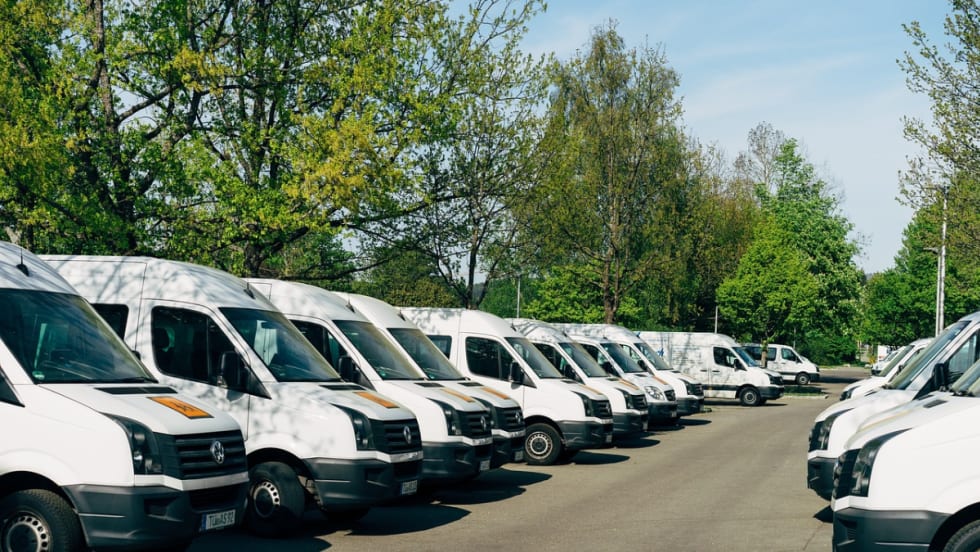
Fleet Simplification is the Antidote to Asset Variability
Fleet simplification identifies asset functions to uncover commonality among the equipment and assets. Simplification increases operational efficiency as end-users become accustomed to the controls, displays, and operation of less diverse units.
Read More →
The Dangers of Static Fleet Policies
A fleet policy is a living document, flexible enough to adapt to evolving business priorities, developing industry trends, and changing industry best practices and standards.
Read More →
Short-Term vs. Long-Term Cost Reductions
Corporate procurement staff are often driven by short-term, immediate cost reductions. However, a longer perspective to soft cost savings is critical because fixating on short-term results will hurt a company in the long run.
Read More →
Uptick in Unscheduled Maintenance Increasing Vehicle Downtime
Fleet data analysis can identify recurring downtime issues. It’s important to determine the root causes of downtime so procedures can be developed to minimize such problems.
Read More →
Eliminate Needless Curb Weight to Maximize ICE & EV Efficiencies
Vehicle weight relates directly to fuel economy. In today’s era of electrification, there is also a direct correlation between vehicle weight and battery range.
Read More →
Tech Dependence Risks Dumbing Down Fleet Manager Expertise
The line between creative thinking and problem solving and doing what the data indicates is thin. To lead in fleet management, you need to balance understanding the fundamentals and embracing what smart technology offers.
Read More →
Leverage the Synergy of Safe Driving to Achieve Sustainability and Cost Goals
Safe driving, emission reductions, and cost containment can all be achieved at the same time.
Read More →
The Playbook for Fleet Manager Success
There are many paths to success — most of them involve being flexible, open-minded, and willing to learn.
Read More →