




Why Roadside Assistance Belongs in a Fleet Risk Strategy
Roadside assistance is more than a tow. See how the right partner can protect drivers, uncover fleet trends, and strengthen your risk strategy.


Roadside assistance is more than a towing benefit. For large fleets, it supports driver safety, business continuity, vehicle uptime, and the organization’s broader duty-of-care strategy.
Automotive Fleet | Envato by sedrik2007
- Roadside assistance provides comprehensive services beyond just towing, offering essential support for fleet operations.
- Collaborating with an effective roadside assistance partner helps identify and analyze fleet trends, improving operational insights.
- Integrating roadside assistance into a fleet risk strategy enhances driver safety and reduces overall risk exposure.
*Summarized by AI
A fleet driver standing beside a disabled vehicle after dark is not thinking about procurement, program integrations, or the service-level agreement negotiated months earlier. That driver wants to know that someone understands where they are, what they need, and how quickly qualified help can reach them.
For the fleet team, the situation is just as immediate, but the responsibility is broader. The driver needs to be protected. The vehicle needs to be returned to service or transported to the right repair facility. The business needs visibility into what is happening, and the event needs to be managed without requiring several employees to locate a provider, approve a charge, and coordinate every next step.
That is why roadside assistance should not be treated as a small convenience buried somewhere within a fleet program. For large and geographically dispersed fleets, it is part of the organization’s risk management and duty-of-care strategy.
“Roadside assistance is a strategic piece of every comprehensive risk management strategy, complementing a well-rounded plan that ensures quality, fleet uptime, and maximization of each resource,” said Darren White, senior sales executive for Nation Safe Drivers.
The tow or jump-start may be the visible service, but the value of the program is found in everything that happens around it. A well-managed roadside event protects the employee, limits disruption, connects the vehicle with an appropriate service provider, and gives the fleet information it can use long after the vehicle is moving again.
From a Bundled Commodity to a Specialized Partnership
The biggest change in how large fleets approach roadside assistance may be the shift from treating it as a bundled commodity to managing it as a specialized fleet partnership.
Many roadside programs still look similar when reduced to a list of covered services. Towing, lockout assistance, tire service, fuel delivery, and jump-starts can appear straightforward on a proposal. The real test begins when a driver needs help outside normal business hours, in an unfamiliar area, or with a vehicle that requires equipment the nearest provider does not carry.
“Most people think that roadside assistance is ‘cookie cutter,’ a commodity that is standard, normal, and easy,” White said. “They don’t necessarily think about the difficulties you’ll encounter, factors like time of day, day of the week, specific location, rural or metro, type of vehicle, specialty equipment needed, training, and capability to quickly resolve whatever is needed to get you back on your way.”
For fleets operating hundreds or thousands of vehicles across different markets, those variables are not exceptions to the program. They are the program. A provider that performs well near a company headquarters may not offer the same coverage in a rural territory or across the border. A provider that can complete a basic service call may also lack the equipment or training needed for a more complicated recovery.
The fleet should not discover those limitations while a driver is already waiting on the roadside.
“Large fleets have embraced the need for specific expertise in the roadside assistance and towing space,” White said. “Having a strategic partner in the motor club industry, with specific experience, systems, and processes in place, will maximize productivity, reduce costs, and ensure first-call success in returning the vehicle to service as quickly as possible, regardless of location, time of day, or any other factors.”
First-call success is an important distinction. A provider can meet an initial response metric while still sending the wrong equipment, selecting an inappropriate destination, or requiring the fleet and driver to repeat the same information to several people. A successful roadside program should move the event toward resolution from the beginning, not simply document that someone answered the phone.
Duty of Care Starts With the Driver
Roadside assistance is often discussed through the language of uptime and cost control. Both matter, but neither should come before the employee waiting with the vehicle.
“People first,” White said. “We rescue people, ensuring their safety first, and once that is ensured, we rescue the vehicle, getting you going again or towing you to the right repair facility. Safety is our number one priority throughout the process.”
That people-first approach matters because the fastest vehicle recovery is not always possible. Weather, geography, provider availability, specialty equipment, and the condition of the vehicle can all affect how quickly the unit can be moved. When the mechanical problem cannot be solved immediately, the fleet still has a responsibility to manage the employee’s situation.
White shared an example involving a heavy-duty vehicle with a broken axle in a remote area of Alaska. The vehicle required specialty recovery equipment, and the only suitable equipment within 12 hours of the disabled unit would not be available until the following morning.
“To secure the driver’s safety, we dispatched a light-duty tow truck to pick up the driver and deliver him to the nearest hotel, ensuring he had access to food and shelter for the night,” White said.
The team also coordinated the driver’s pick up the next morning so he could return when the vehicle recovery began. The vehicle was not immediately back in service, but the driver was no longer stranded while the fleet waited for the correct equipment.
That is duty of care in practical terms. The roadside program did not treat the employee as an attachment to the vehicle or assume the person could remain at the scene until recovery equipment arrived.
Response time still matters because a driver waiting for assistance may be exposed to traffic, weather, an unfamiliar area, or other conditions outside the fleet’s direct control. But response time should be evaluated alongside the quality of the response.
“Regardless of fleet type, vehicle uptime equals productivity,” White said. “First-call success ensures your driver’s safety and gets them going again as quickly as possible.”
Measure Resolution Across the Entire Event
Average response time is one of the easiest roadside metrics to understand, but it cannot tell fleet leaders everything they need to know about program performance. A short arrival time does not help if the provider cannot complete the service or the vehicle is taken to the wrong facility.
NSD reports that its response times are 14 minutes faster than the national average. That type of comparison can be useful, but fleet leaders should also understand how response time is defined and what happens after a provider is dispatched.
The stronger measurement is whether the call moves efficiently from the driver’s first contact through final resolution. Did the correct provider accept the call? Did the right equipment arrive? Was the service completed on the first attempt? Was the driver kept informed? Did the vehicle reach the fleet’s preferred repair destination?
Fleet leaders should begin with a provider’s demonstrated experience in their industry and with their vehicle types. They should also understand how the roadside partner works with the independent service providers that ultimately respond to the calls.
“At the end of the day, all motor clubs use independent providers,” White said. “If the motor club treats them well and pays them fairly, the providers will prioritize those calls over others, meaning quicker response, faster resolution, improved uptime, and getting back to the task at hand sooner.”
That relationship is largely invisible to the fleet until a service call occurs. During an evaluation, fleet leaders should ask how providers are recruited, qualified, paid, and monitored. They should also ask whether the roadside partner can build a program around the fleet’s actual operating requirements rather than forcing every customer into the same service model.
The ability to customize a program should be treated as a core requirement, not a sales extra. Large fleets may have different vehicle types, operating regions, repair destinations, escalation procedures, data needs, and technology environments. The roadside program should reflect those differences.
Transparency is just as important. A fleet should have near-real-time access to individual service events and the ability to query program data by geography, service type, timeframe, and other relevant factors. The information should also be exportable so the fleet can review it alongside maintenance, vehicle, safety, and operational data.
Customer feedback should also be part of the scorecard. White recommended reviewing customer satisfaction and Net Promoter Scores that provide direct, unfiltered feedback following completed services.
A fleet may see that a provider arrived within the contracted window. Still, the driver’s experience can reveal communication problems, repeated requests for information, unclear arrival updates, or a service that did not fully resolve the situation.
Technology should make the roadside process easier for the driver and fleet team; not create another disconnected portal someone must remember to check. White pointed to direct program access, connections with user applications, and text-to-dispatch capabilities as examples of tools fleet leaders should evaluate.
He also emphasized the importance of security controls, stating that a roadside partner should be SOC 2 and SOC 3 certified to protect the program and its associated data.
No single metric can define a successful roadside partnership. The fleet needs a fuller view that includes how quickly calls are answered, whether the right provider is sent, whether the service is completed on the first attempt, how the driver rates the experience, where the vehicle is taken, and how clearly the fleet can see the event from beginning to end.

A fast arrival does not always mean a successful roadside event. Fleets should measure whether the right provider and equipment were dispatched, the driver received clear updates, and the vehicle reached the proper repair destination.
Automotive Fleet | Envato by tonodiaz
Roadside Data Can Expose Larger Problems
A roadside event may appear isolated when viewed one call at a time. Once the data is gathered across the fleet, patterns can begin to emerge.
“Roadside event data can provide visibility of hidden trends and possible vehicle defects that are causing disablements,” White said. “For example, if there is a disproportionate number of tire-related disablements versus the industry, this will become apparent and can be traced back to the root cause that is driving incremental failures.”
The roadside program can therefore become another source of fleet intelligence. Repeated events involving the same vehicles, components, or regions may signal a larger issue that individual invoices would not reveal.
The roadside partner does not replace the fleet’s maintenance or asset management systems, but its data can add context. It captures failures that happen away from the shop and often at the exact moment a vehicle can no longer complete its assignment.
That information is only useful if the fleet can access it in a workable format. A monthly total of service calls is not enough. Fleet leaders need the ability to sort the data, identify repeat vehicles, compare event types, review regional activity, and connect roadside incidents with the rest of the vehicle’s history.
The questions should move beyond how many calls occurred, but should include:
- Which vehicles are generating repeat events?
- Are certain models, components, or regions over-represented?
- Are vehicles being towed to preferred repair facilities?
- Are response times changing by market?
- Are the same breakdowns continuing without the root cause being addressed?
A roadside program that helps answer those questions is doing more than reacting to disabled vehicles. It is helping the fleet identify where its next preventable problem may be developing.
Cross-Border Coverage Requires More Than a Phone Number
North American fleets face an additional layer of complexity when vehicles travel between the United States and Canada. Coverage on both sides of the border should not be assumed simply because a provider advertises a broad service area.
The fleet needs to know whether the roadside partner can coordinate the correct equipment, vehicle type, service, and destination in both countries. That includes the ability to manage a tow across the border when the fleet needs the vehicle returned to a preferred direct repair facility.
“Your roadside assistance partner needs to have the demonstrated ability to coordinate towing services across the U.S. and Canadian border, either direction, to ensure the vehicle is returned to your preferred DRP,” White said.
That coordination matters because the closest repair location may not be the best location for the fleet. A preferred facility may have the right parts, service history, warranty relationship, or repair capability. The roadside partner should understand the fleet’s destination rules before a vehicle is loaded onto a tow truck.
“Ensuring your partner has full coverage in both countries, for all vehicle types and services, will ensure maximum efficiency in getting your team back on the road,” White said.
Fleet leaders should test that claim during the selection process. They should ask for evidence of coverage, discuss how cross-border events are handled, and walk through a realistic scenario involving one of their actual vehicles and operating routes. A map with two countries shaded in the same color does not explain what will happen when a driver needs help at night in an unfamiliar market.
Build the Program Around the Moments That Go Wrong
Most fleet programs are designed during normal business hours, often in a meeting where the vehicles are running, and no one is waiting beside the road. The quality of the program becomes visible later, when the event occurs after hours, far from the fleet office, and under conditions that were not included in the neat example used during the sales presentation.
That is when the fleet learns whether the partner understands its vehicles, whether the provider network can deliver, whether the driver receives useful updates, whether the right equipment arrives, and whether the fleet can see what is happening without making six phone calls.
A roadside program should be built around those difficult moments. It should protect the person first, move the vehicle toward the correct resolution, give the fleet visibility, and capture information that can improve future decisions.
Roadside assistance may begin with a disabled vehicle, but it reaches into safety, productivity, maintenance, data security, supplier management, driver experience, and business continuity. For large fleets, that makes it far more than a towing benefit. It makes it part of how the organization manages risk when the workday does not go according to plan.
Roadside needs can look very different depending on the vehicles and operation. See how vocational truck fleets can prepare for payloads, upfits, jobsites, and specialty recovery, or learn how small business fleets can reduce disruption when one disabled vehicle affects the entire workday.
Quick Answers
Roadside assistance is crucial for fleet management as it ensures that drivers receive help promptly, which minimizes downtime and maintains productivity.
*Summarized by AI
More Maintenance

Fleet Manager’s Ultimate Playbook: Navigating the New Standard in OEM Connectivity
Rising operating costs, driver safety concerns, and unplanned downtime are putting unprecedented pressure on modern fleets. Discover how fleet managers use embedded OEM connectivity and real-time vehicle data to cut TCO, prevent downtime, and protect drivers without aftermarket telematics hardware.
Read More →
How Can Fleet Managers Tell Which Repairs Require Closer Review?
Fleetio’s Brianna Perry demonstrates how Service Advisor evaluates maintenance requests, identifies pricing anomalies, and provides the context fleet managers need to focus their attention on potential problems.
Read More →
Hidden in Plain Sight: Fleet Compliance Risks
Fleet compliance isn't just about having policies — it's about consistently enforcing them. This practical guide reveals six hidden compliance risks common in public sector and shared fleet operations and outlines proven strategies to improve visibility, accountability, and audit readiness
Read More →
How Maintenance Costs Compare Across 27 Fleet Vehicles
Vincentric’s three-year, 60,000-mile projections reveal wide differences for both scheduled and unscheduled maintenance among selected vehicle categories. Projected maintenance visits also play a factor.
Read More →
The EV Breakdown Nobody's Talking About: Why Most Electric Vehicle Roadside Calls Aren't Mechanical Failures
Here's why EV breakdowns are widely misunderstood.
Read More →
How Stellantis Plans to Get Ahead of Fleet Downtime
Keeping fleet vehicles on the road has become as important as buying them. Darren Bradshaw of Mopar North America explains how connected vehicle data, AI, and proactive service strategies are helping Stellantis reduce downtime and move closer to predictive maintenance.
Read More →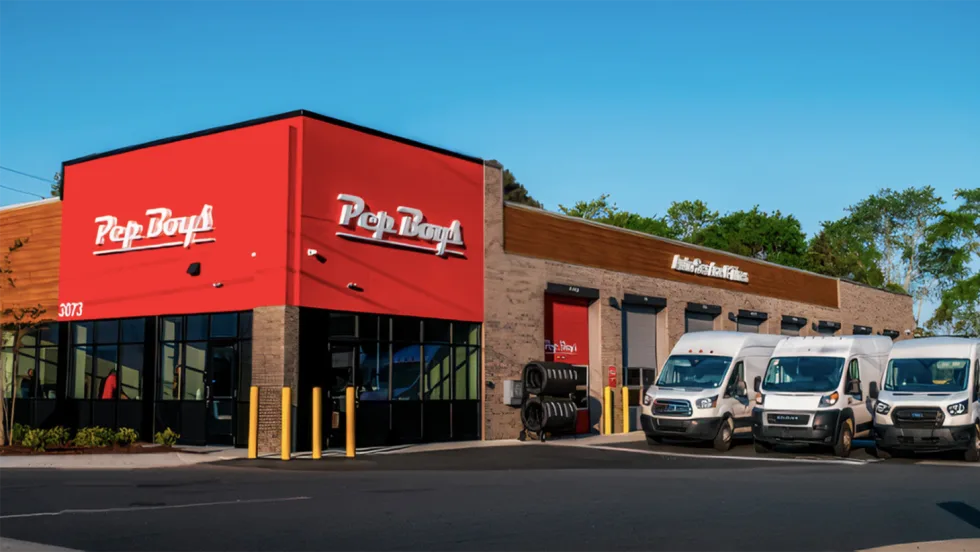
Merchants Fleet Expands Maintenance Network with Pep Boys
Merchants Fleet has expanded its relationship with Pep Boys, increasing the service provider's role within its national maintenance network. The move is intended to enhance maintenance coordination and support commercial fleets through Pep Boys' nationwide footprint.
Read More →
The Two Biggest Summer Downtime Threats for Fleets
A conversation with a maintenance expert reveals the two most common summer maintenance pains and how to prevent them.
Read More →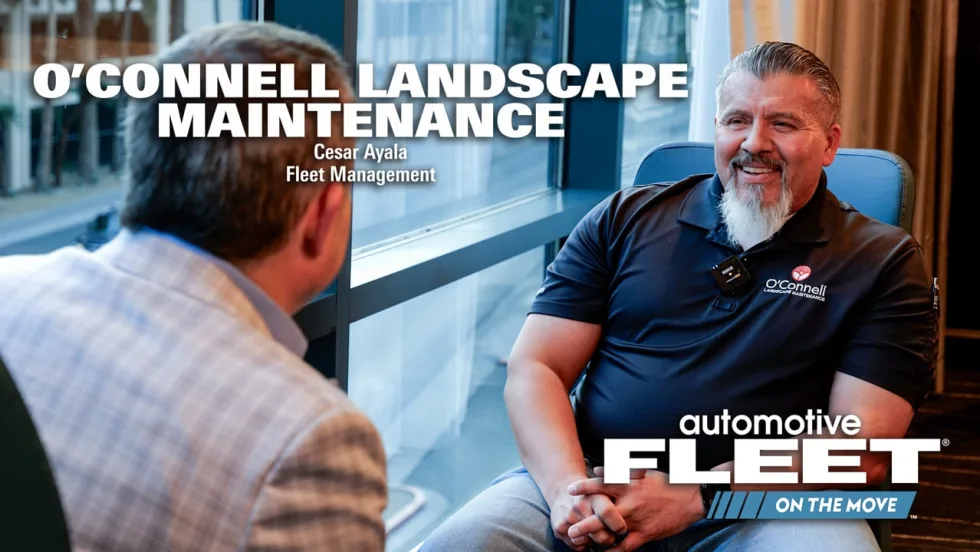
From Marine Corps Motor Pool to Managing 460 Fleet Vehicles
Cesar Ayala of O’Connell Landscape Maintenance shares how he transitioned from the Marine Corps to managing a 460-vehicle fleet—and the real-world challenges of maintenance, compliance, and driver management in California.
Read More →
If Repair Delays Are the New Normal, How Should Fleets Respond?
The repair crisis gets blamed on technician shortages and parts delays. But a big part of the problem is what's happening before the vehicle even reaches the shop, and that's within your control.
Read More →